
Radio Free Belfast broadcast 1969-1970.
This tape recorder was used to record the 24/7 live transmissions from the Pirate Radio Station Radio Free Belfast manned by Civil Rights and People’s Democracy members during 1969-70. A life line for the people behind the Barricades.These informative transmissions were mixed with humorous tongue and cheek Political Statements, Traditional Music Requests, Rent Strikes, Army Curfews and RUC Raids.
Written by Vincent Dargan, private collector
Stills captured from film clips of incidents from the Troubles edited by Peter Heathwood, 1970s – 1990s
These film clips of incidents from the Troubles show the everyday object, namely, a car, van or lorry used for the purposes of war. The incidents used cover all parts of Northern Ireland, London, and Manchester.
Written by Peter Heathwood, private collector
*None of these clips show incidents where anyone was killed or seriously injured.


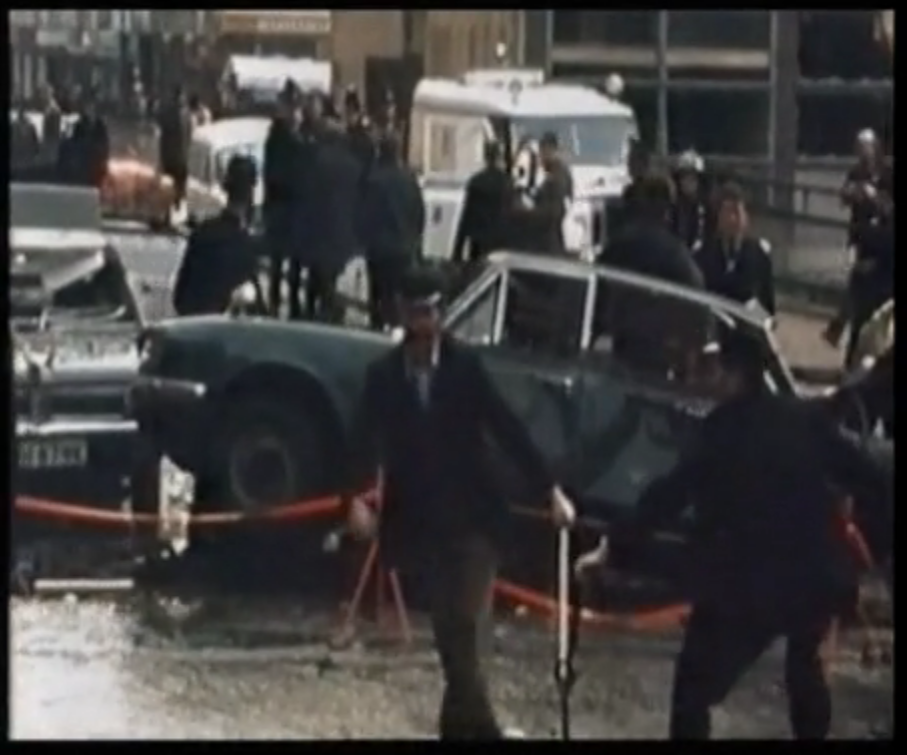


Everyday Objects Transformed by the Conflict – option 1 (portfolio)
Everyday Objects
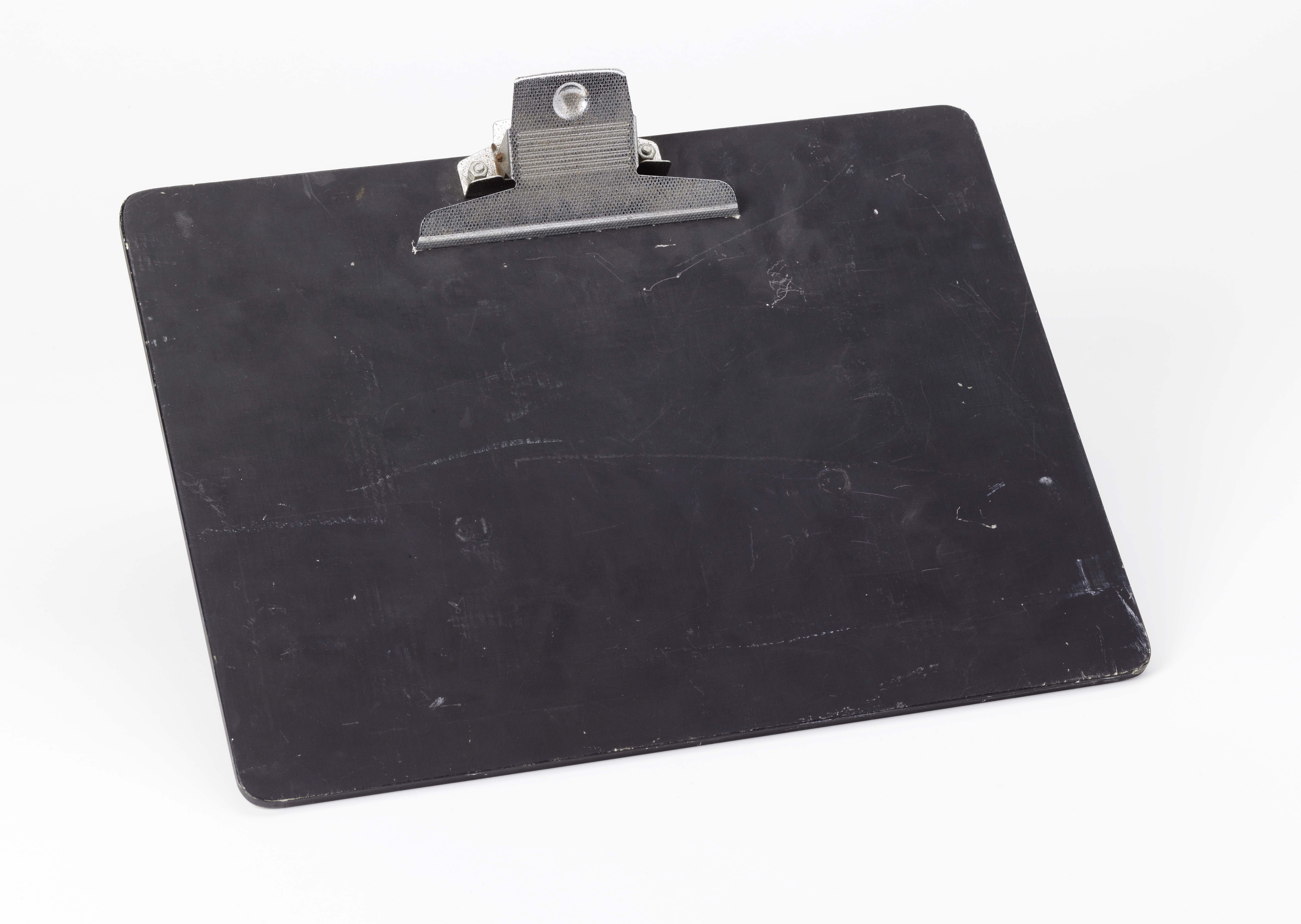
RUC armoured clipboard
This was used by police offices at vehicle checkpoints in ‘high-risk’ areas. The clipboard was intended to give protection to
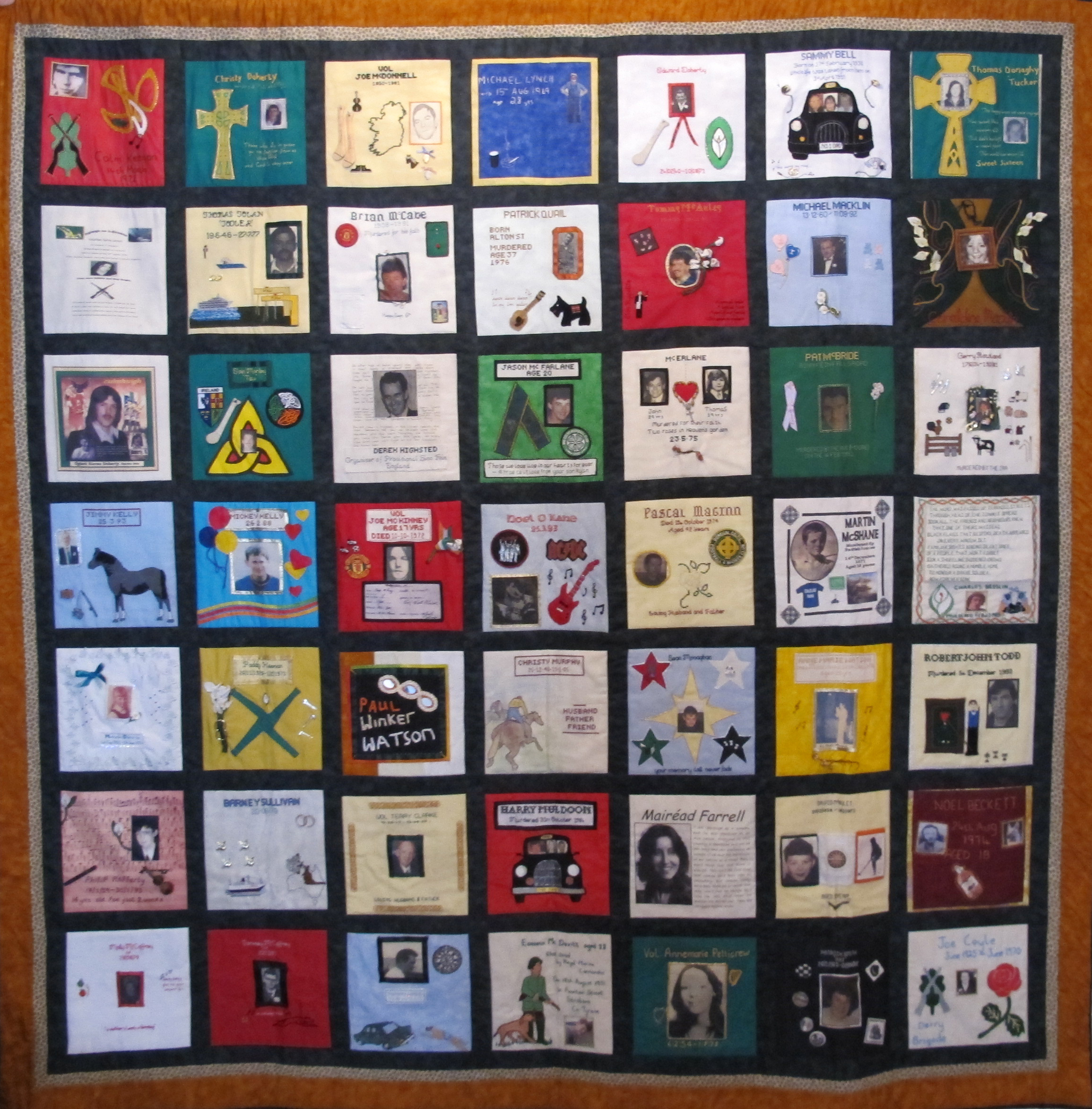
Relatives for Justice Remembering Quilt
Relatives for Justice Remembering Quilt is made up of squares which have been dedicated to individuals who have died as
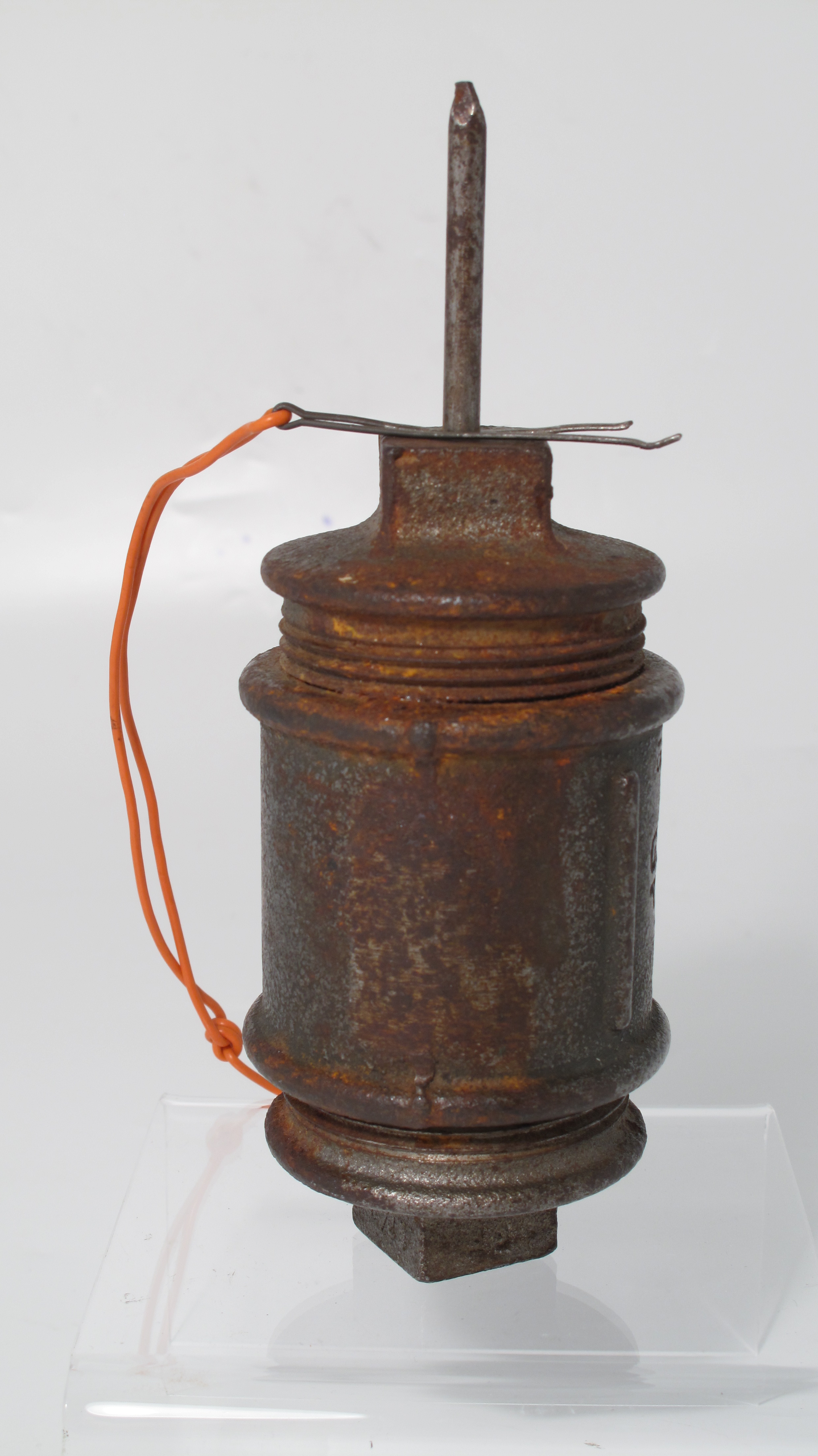
Photograph of IRA improvised grenade
This piece of standard plumbers pipefitting was combined with a four inch nail, a .22 cartridge and homemade explosives to
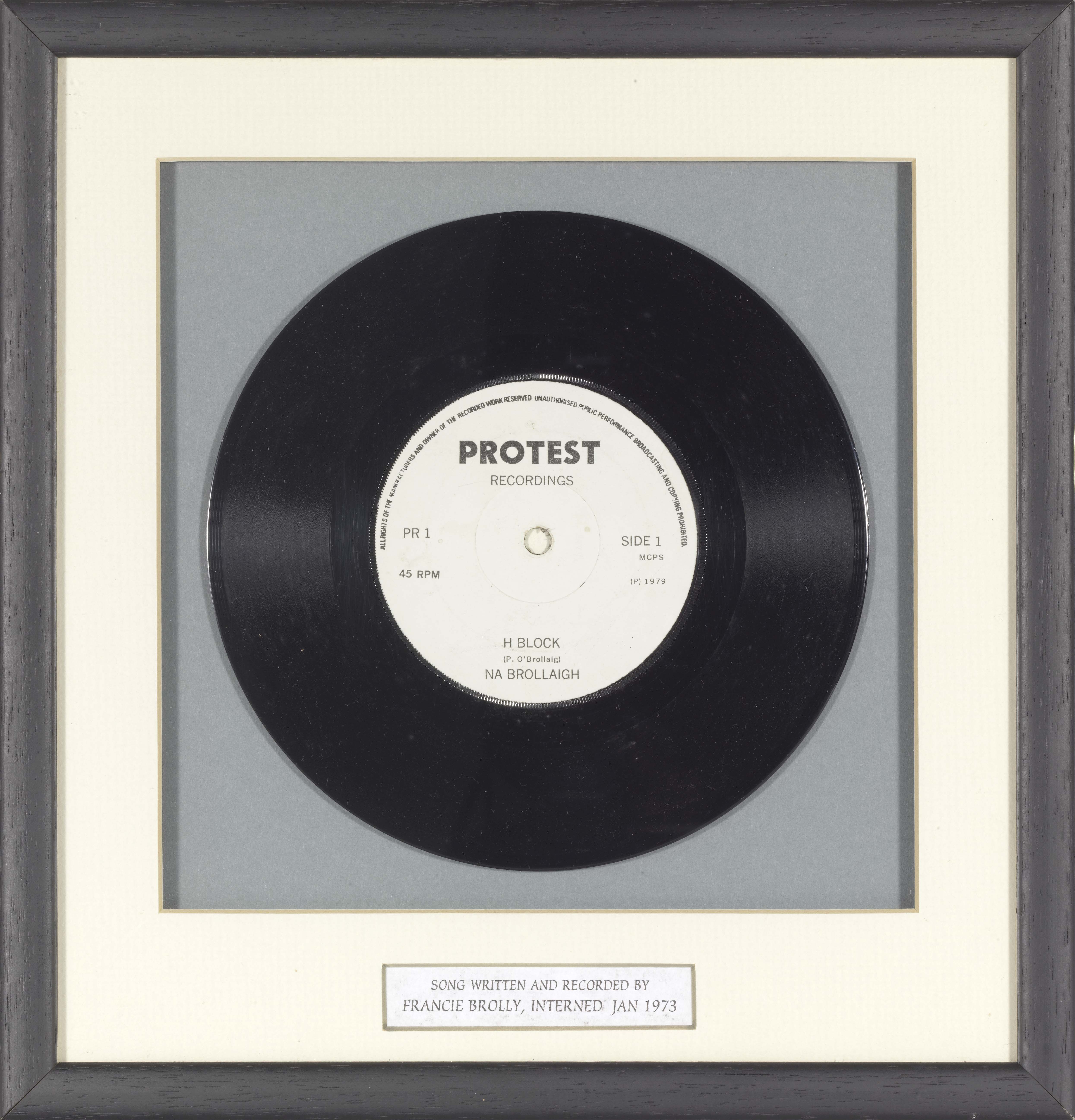
Framed record of ‘Wear no prison uniform’ by Francie Brolly, 1979
I wrote this song to raise funds for our local prisoners' support group. Basically, it tells the story of the
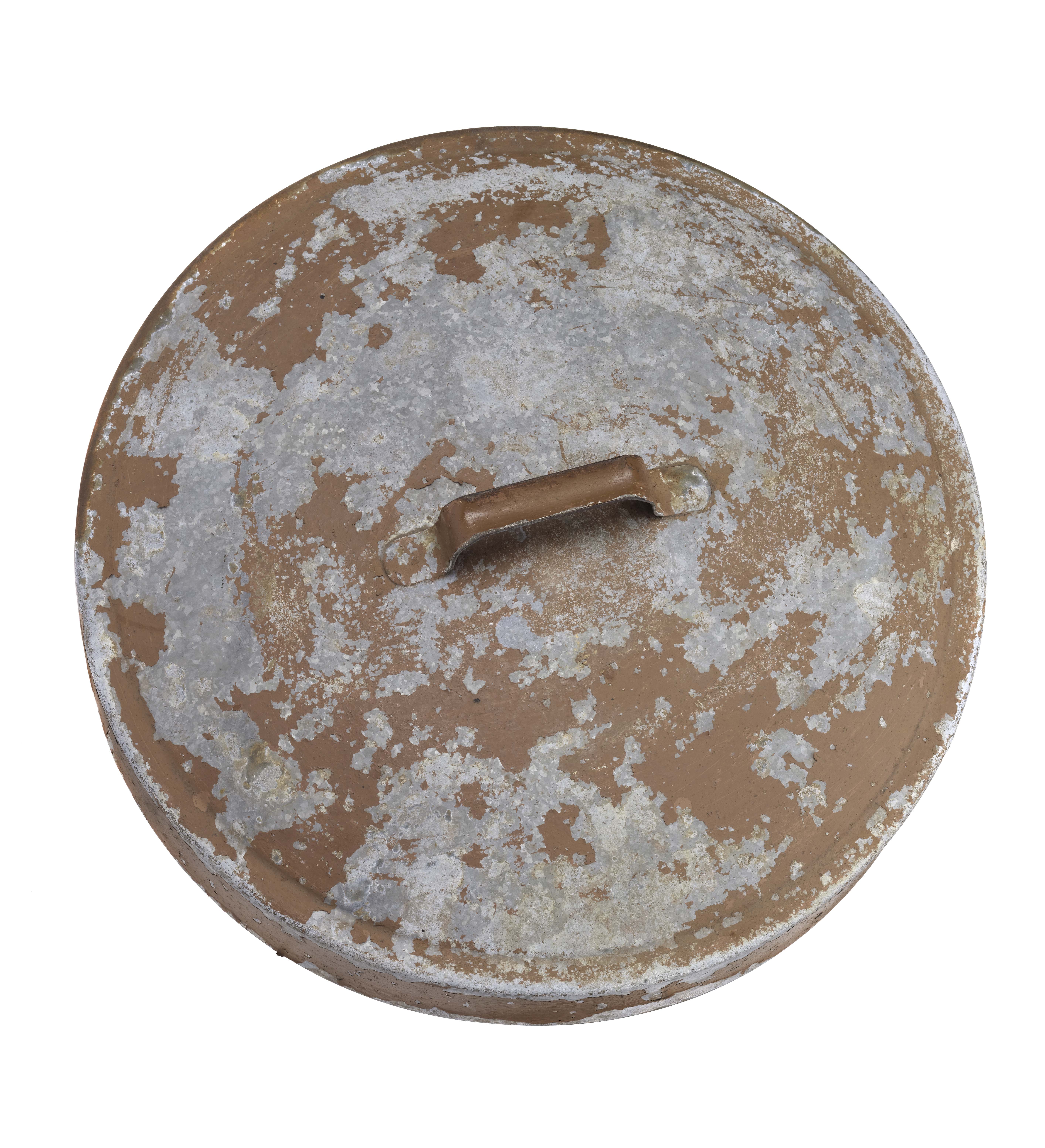
Binlid from West Belfast
A metal binlid to some was for covering a bin but for lots of nationalists and republicans it was a
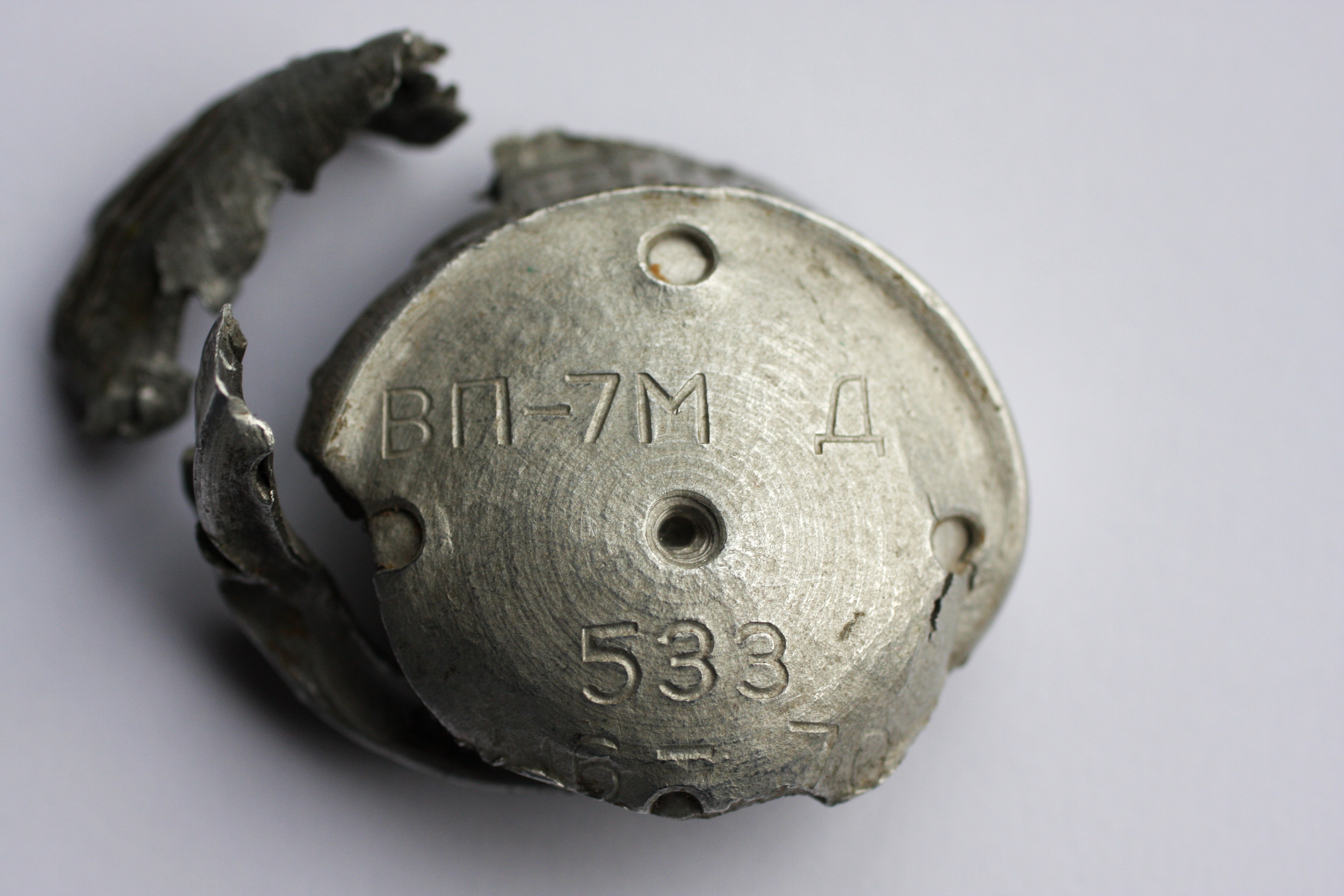
Nose cap of R.P.G.7 Russian anti tank grenade
On the 4th of July 1973 the Provisional I.R.A fired a R.P.G 7 at my foot patrol in the Creggan
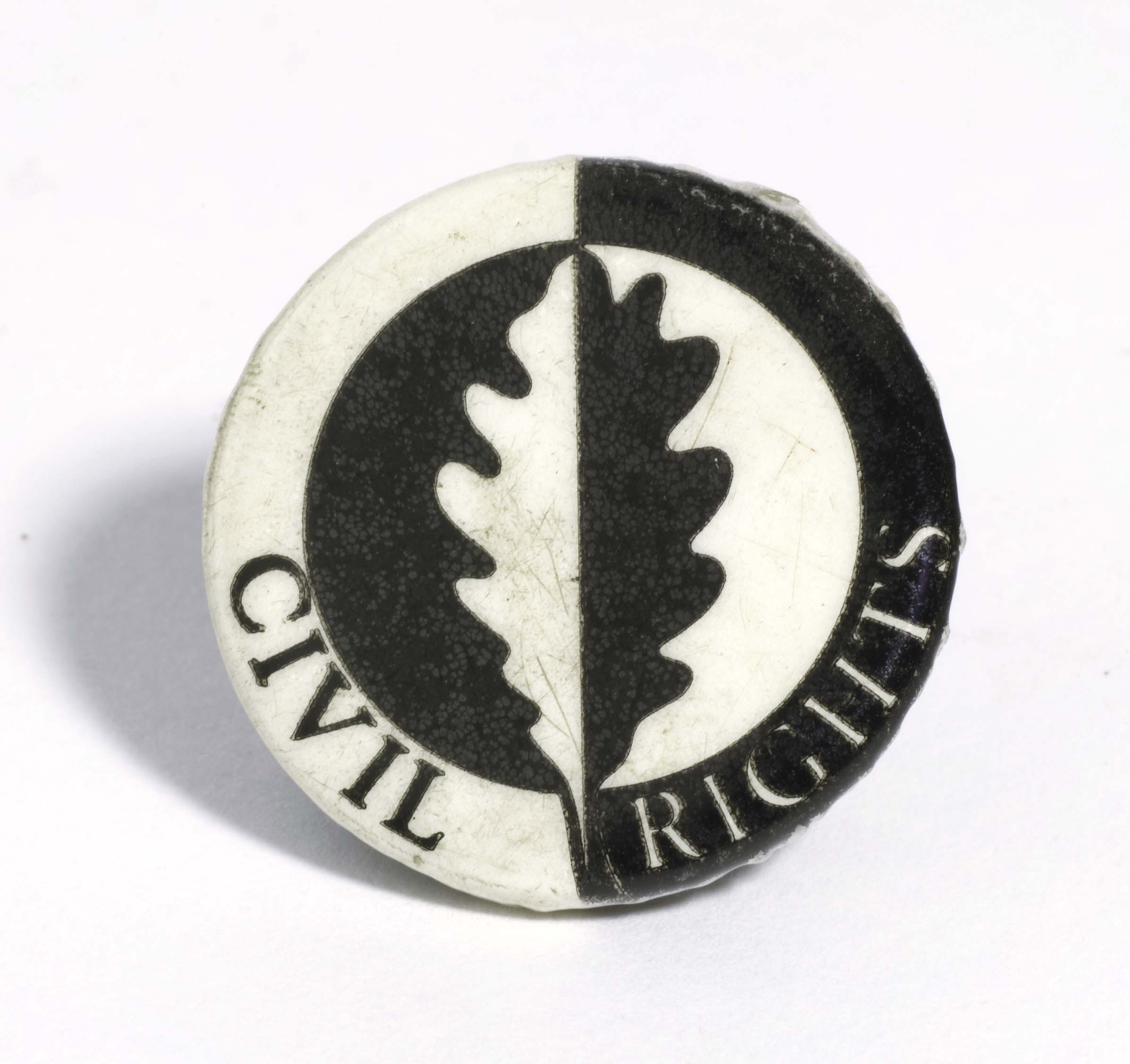
Derry Civil Rights badge
The Derry Civil Rights emblem was designed (in 1968) by Derry artist Sheila Mc Clean, wife of Dr Raymond Mc
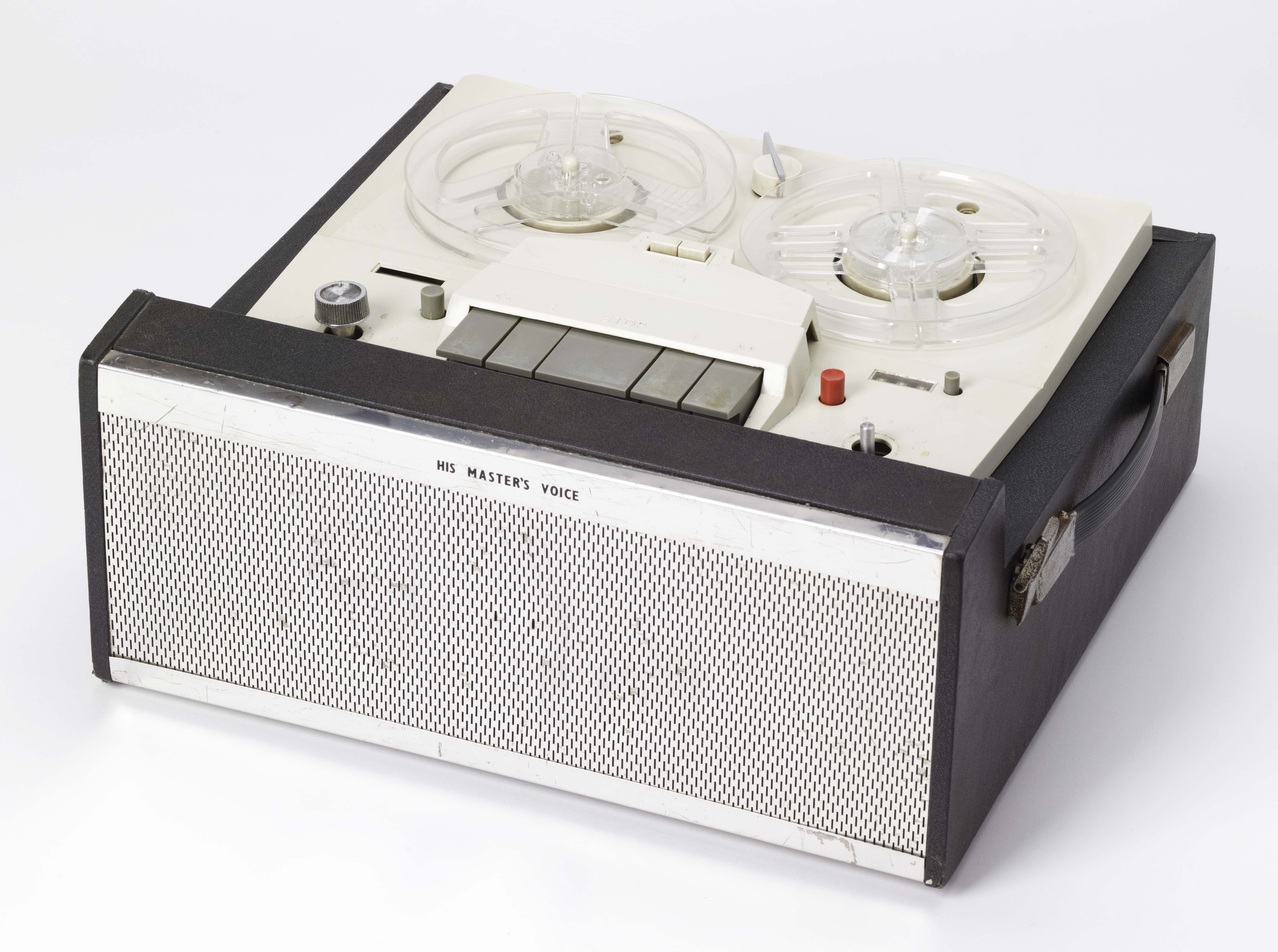
Tape recording machine
This tape recorder was used to record the 24/7 live transmissions from the Pirate Radio Station Radio Free Belfast manned
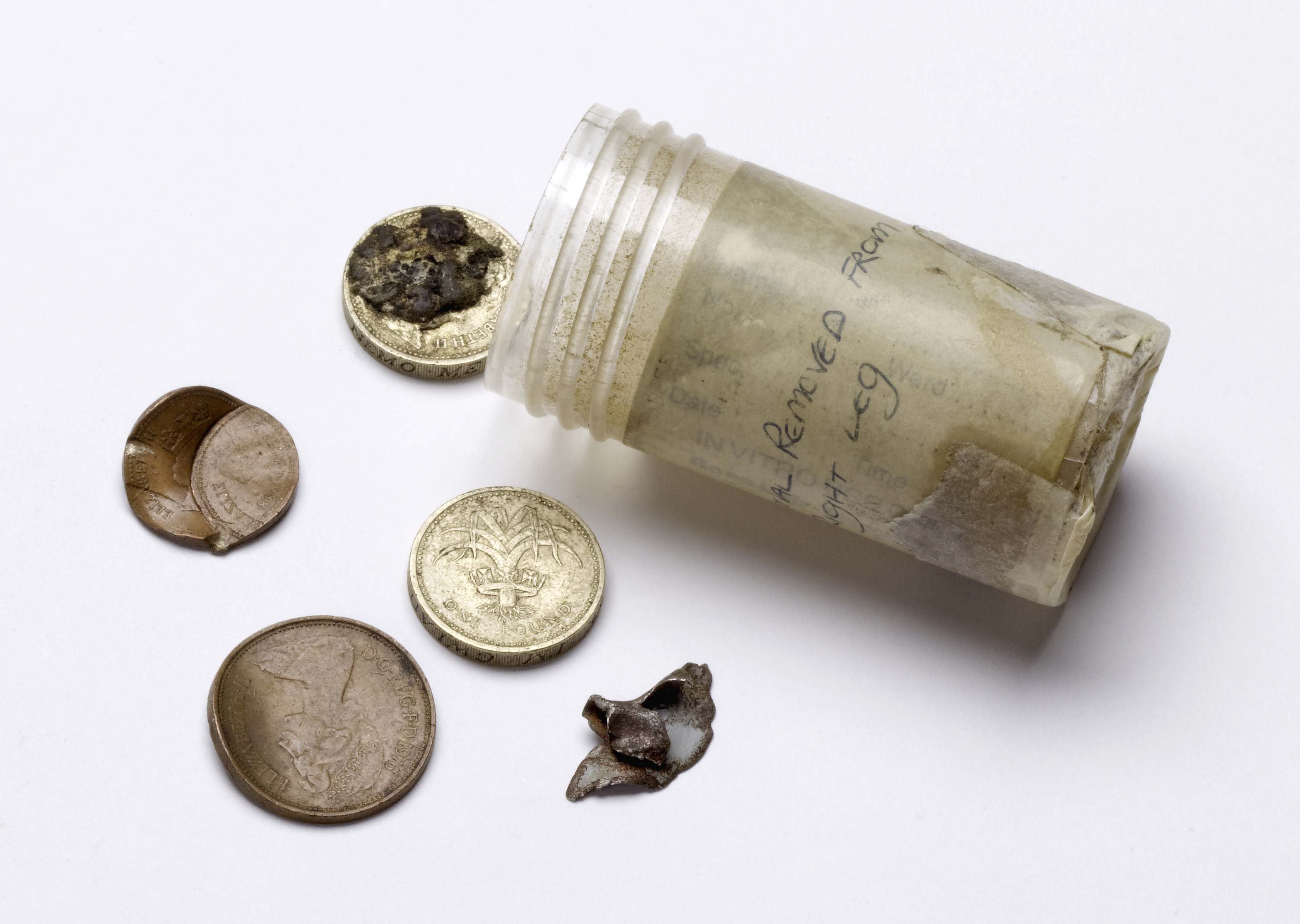
Shrapnel removed from the leg of Alex Bunting, 21st October 1991
Just as we got to the Boyne Bridge, a flash came out of the dashboard, a bit like a rainbow
Everyday Objects Transformed by the Conflict – option 2 (masonry)
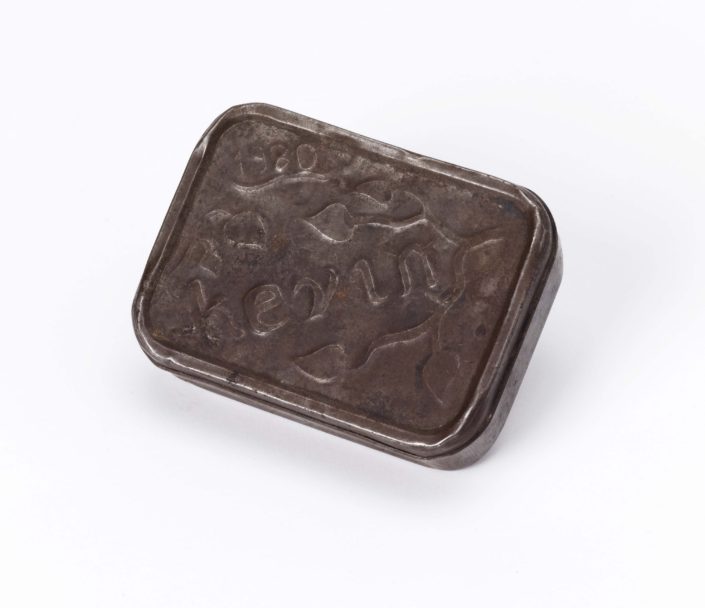
Tobacco tin
This Tin was designed in C Wing in Crumlin Road Prison in 1980 when the Prisoner was on Remand. Handicrafts of any description were not permitted so everyday objects were transformed into things that could be related to that period. Wire wool was acquired and the Tin rubbed down free of all paint and the name and date were marked and pressed out on the lid with a plastic knife.
Label written by Gerard Murray, private collector.
Label written by Gerard Murray, private collector.
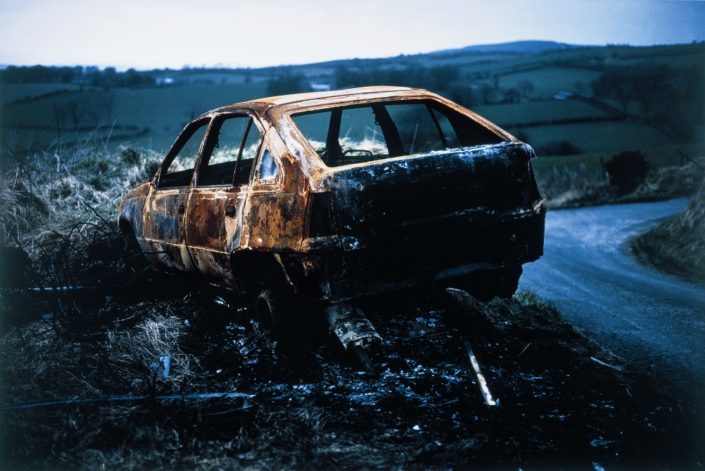
Willie Doherty, Border Incident, 1994
Willie Doherty’s photographs, films and installations address problems of representation, territoriality, surveillance and the language of identity, often focusing on the Northern Irish context in which he grew up. Using the potency of language in superimposed text or titles, Doherty challenges the viewer to question the true meaning of images.
Label written by Georgie Thompson from Irish Museum of Modern Art.
Label written by Georgie Thompson from Irish Museum of Modern Art.
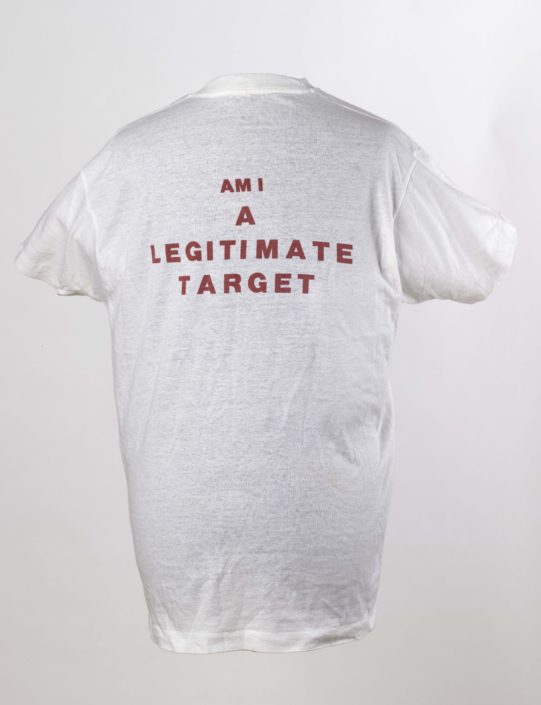
‘Am I a legitimate target’ t-shirt
During the Troubles republican groups had the stated policy of attacking 'legitimate targets' and, while not explicit, this would have been echoed in different ways among both loyalist paramilitary groups and the British military. This T-Shirt comes from an event in Lurgan in June 1991 which tried to pull the rug from under the 'legitimate target' concept by saying that if you start down this road then we are all legitimate targets for killing.
Label written by Rob Fairmichael from INNATE.
Label written by Rob Fairmichael from INNATE.
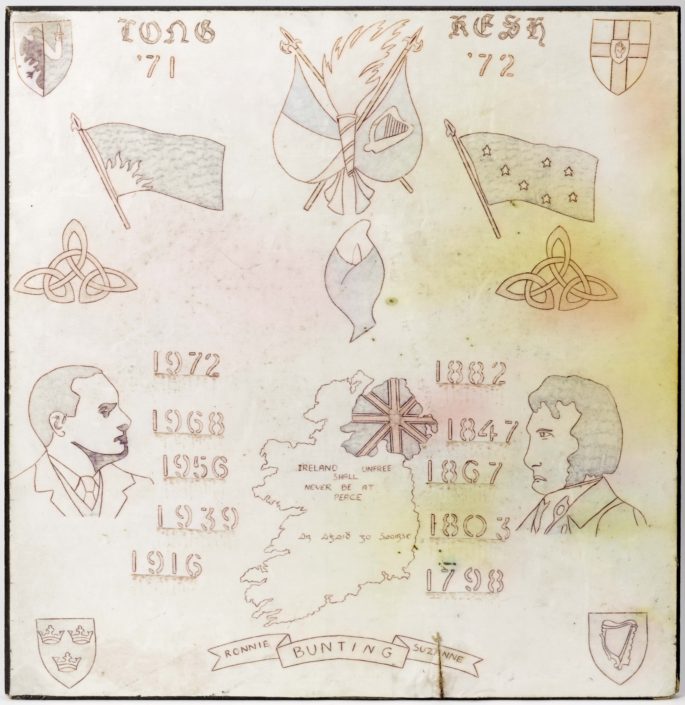
Designed hanky
This hand drawn Hanky was made in the cages of Long Kesh during Internment in the early seventies. It was made by Ronnie Bunting for his wife Suzanne. Ronnie came from a prominent unionist family but was himself a high profile member of the Civil Rights Association. He was a member of the IRSP, The INLAand the National H Block/Armagh Committee. He was assassinated in 1980.
Label written by Gerard Murray from Irish Republican Socialist Party Movement Archive.
Label written by Gerard Murray from Irish Republican Socialist Party Movement Archive.
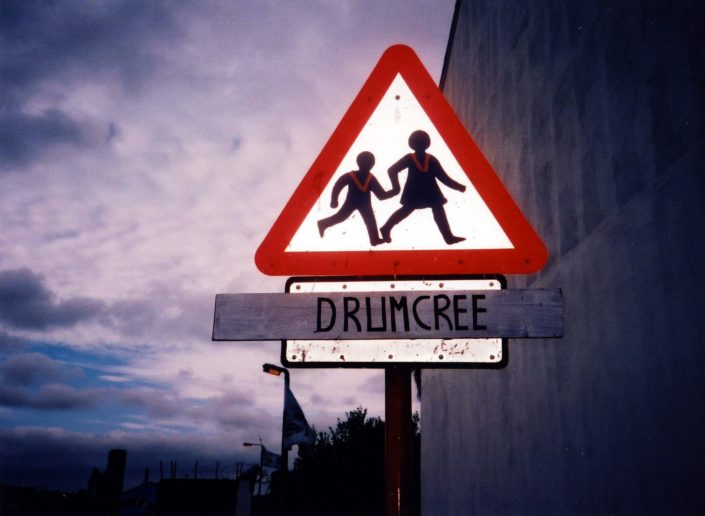
Photograph of subverted school patrol sign at Hopewell Crescent, Shankill, Belfast, July 2000
Fresh murals and flags proliferated on the Lower Shankill in the early summer. In their midst, this school patrol sign encapsulated the febrile weeks from the Drumcree march and Johnny Adair’s notorious appearances on Drumcree Hill to his self-styled ‘Loyalist Day of Culture’ on the Shankill which sparked the Loyalist feud and led to his arrest three days later.
Label written by Dr Jonathan McCormick, private collector.
Label written by Dr Jonathan McCormick, private collector.
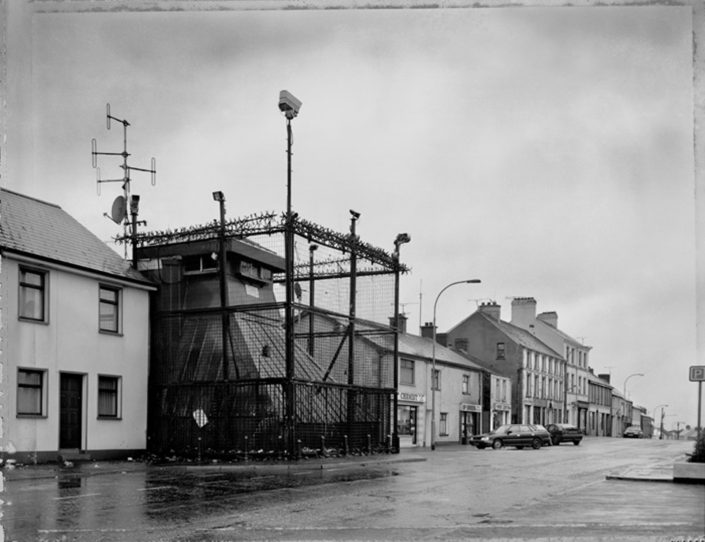
Golf Five Zero watchtower. Crossmaglen, South Armagh, Northern Ireland, UK.
A military building forming part of the British Army's defensive strategy to control the landscape and people of Northern Ireland and known to the British army as 'Borucki Sanger', after Private James R Borucki, 19, 3 Para, was killed here by a 5lb remote controlled bomb left on a bicycle. This watchtower dominated the landscape and became an everyday element within it.
Label written by Jonathan Olley, photographer.
Label written by Jonathan Olley, photographer.
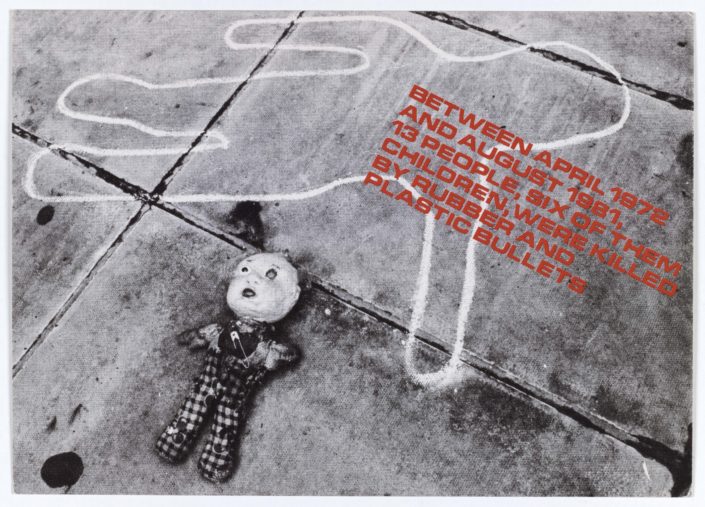
‘Plastic Bullet – the result’ postcard
Examples of how the everyday object of a postcard was transformed into a campaign statement. The Campaign against Plastic Bullets organised a competition to design a postcard to illustrate the dangers of plastic bullets in 1984. The winning entry ‘Plastic Bullets – the result’ was by John Pothecary.
Label written by Catherine Morrow from LIBRARIESNI, Belfast, Ulster and Irish Studies Belfast Central Library.
Label written by Catherine Morrow from LIBRARIESNI, Belfast, Ulster and Irish Studies Belfast Central Library.
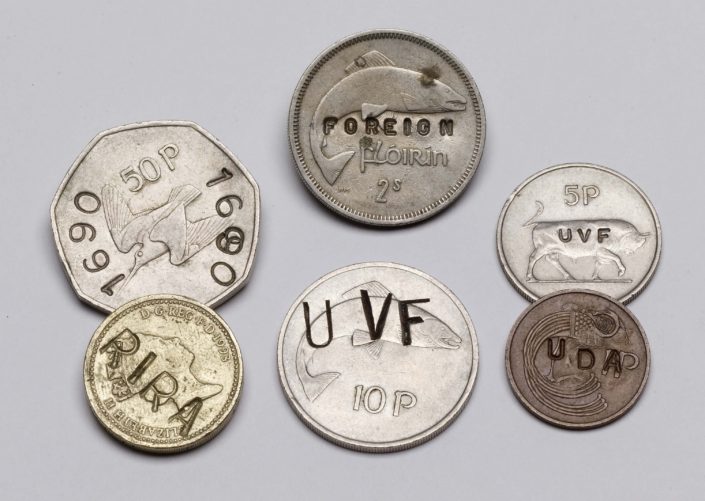
Defaced coins
During the 1970s, when the practice of defacing coins with paramilitary slogans was at its height, Irish coins were frequently found and used alongside sterling in Northern Ireland. As a result, items such as the Irish two shilling piece with ‘FOREIGN’ embossed across it or the Irish 50p coin with the alternative date-stamp of ‘1690’ would not have been uncommon. The practice continues, as exemplified by a pound coin with ‘RIRA’ (for real IRA) inscribed across the Queen’s head.
Label written by Ross Moore from Linen Hall Library.
Label written by Ross Moore from Linen Hall Library.
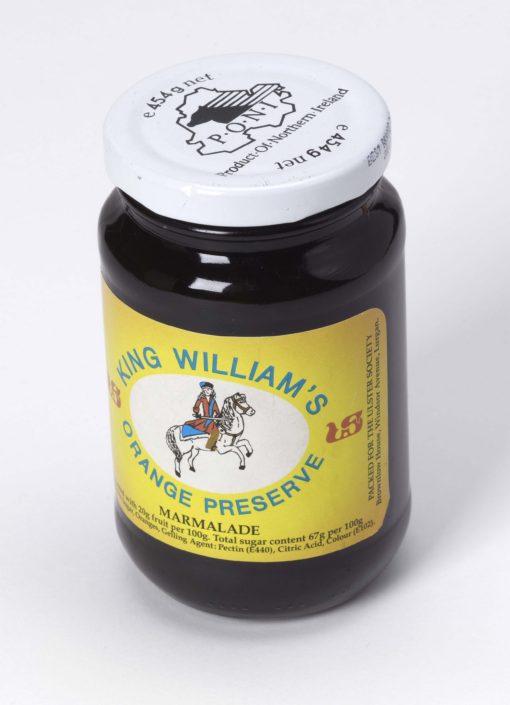
Orange preserve
Among the flags and T-shirts, items such as ‘King William’s Orange Preserve’ could be found for sale at stalls during the 12th July celebrations. According to ‘The history of marmalade’ by D. Lepard, a cook to King William III had a recipe for rice pudding made with a base of orange marmalade. So there may be historical connections beyond the obvious pun!
Label written by Ross Moore from Linen Hall Library.
Label written by Ross Moore from Linen Hall Library.
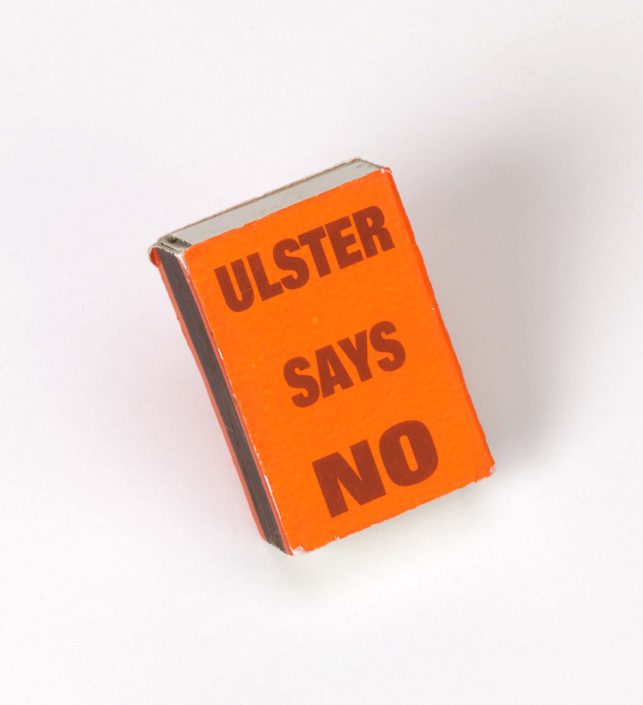
‘ULSTER SAYS NO’ matchbox
The Anglo Irish Agreement, signed on November 1985, committed the UK and Irish Governments to closer co-operation on Northern Irish affairs. Its provisions included a joint ministerial conference of British and Irish ministers which gave the Republic’s government a greater input into Northern affairs. Unionist opposition to the agreement led to a rally at Belfast City Hall in November and forced byelections in early 1986. The slogan ‘Ulster Says No’ appeared on posters, banners and items such as the matchbox on display here.
Label written by Ross Moore from Linen Hall Library.
Label written by Ross Moore from Linen Hall Library.
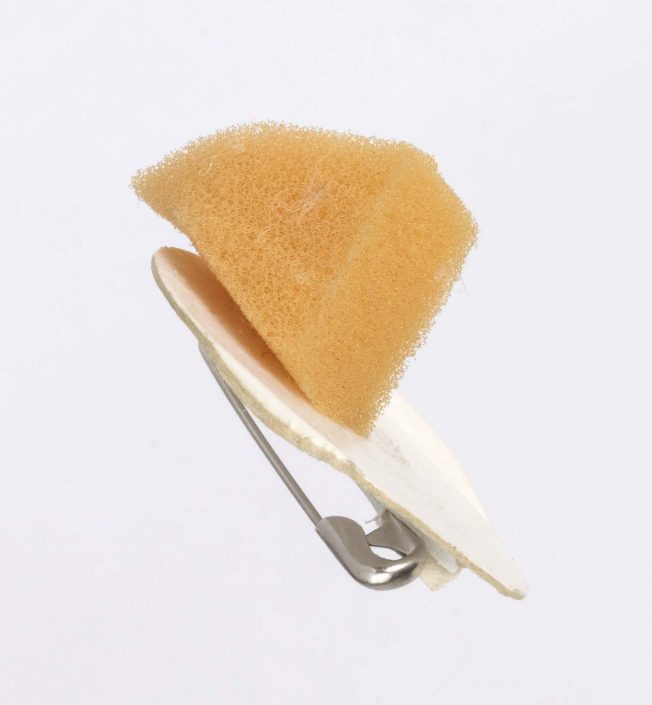
Sponger Badge worn by Ballymena Councillor William Wright, 1974
During the Loyalist Strike of 1974, British Prime Minister Harold Wilson made a telecast to the people of Northern Ireland, hoping to influence them to reject the call to strike and return to work. During his speech, he referred to the strike leaders as ‘spongers’. His words had the opposite effect to what he wanted and multiplied the number of strikers. At a loyalist rally in Ballymena the next day, homemade sponge badges were proudly worn on lapels and a group of women chanted ‘We are the spongers!’ Wilson’s words had illustrated the remoteness and lack of sympathy to the people of Northern Ireland by the British Government.
Label written by Debory Barr, Mid - Antrim Museum.
Label written by Debory Barr, Mid - Antrim Museum.
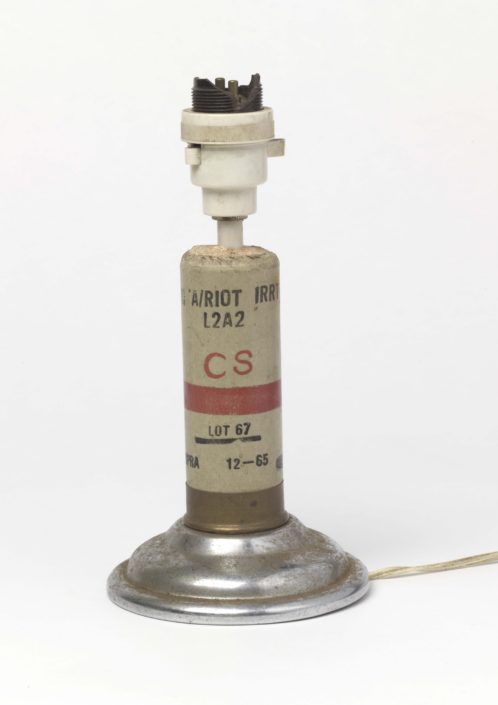
Lamp made from CS Gas canister
CS Gas canister fired by the RUC during the Battle of the Bogside in 1969. The canister was turned into a working lamp by Derry man George Sweeney as a present for Raymond McClean, who later went on to become the first SDLP mayor of Derry in 1974. The lamp is currently on display in the Museum of Free Derry.
Label written by Adrian Kerr from Museum of Free Derry.
Label written by Adrian Kerr from Museum of Free Derry.
No posts found.